Skip to content
Inclusive Additive Design Challenge 2026
Inclusive Additive Design Challenge

The Challenge

The challenge asks teams to identify a genuine user, societal, environmental or engineering problem and develop a practical solution using additive manufacturing. Projects should create a clear improvement in accessibility, usability, ergonomics, safety, sustainability or technical performance.

Introduction

Engineering has the potential to improve everyday life by addressing real problems faced by individuals, communities and industry. Projects may address accessibility, usability, ergonomics, safety, sustainability, maintenance, product performance or other challenges associated with everyday products and engineering systems. Inclusivity is interpreted broadly. It includes designing for people with different physical, sensory or cognitive needs, as well as older people, children, neurodivergent users and people with different levels of experience or technical ability. Sustainability is also central to the challenge. Teams are encouraged to reduce material use, waste or energy consumption, extend product life, enable repair and replacement, and support reuse or recycling.

Competition Objectives

  • Promote inclusive and user-centred design.
  • Encourage sustainable engineering and product life extension.
  • Develop practical CAD, FDM and prototyping skills.
  • Support evidence-based problem solving.
  • Strengthen engineering design, testing and validation.
  • Promote innovation and multidisciplinary collaboration.
  • Develop practical, safe and replicable solutions.
  • Build commercial, professional and intellectual property awareness.
  • Improve teamwork and technical communication.

Project Challenge

Teams may improve an existing product or system, develop an add-on or attachment, create a replacement component, redesign a product, or propose a completely new concept. The challenge is not limited to disability-related or traditional assistive products.
  1. Select a real problem affecting a defined user group, community, organisation or engineering application.
  2. Investigate it through research, observation, existing data, interviews, surveys or stakeholder feedback.
  3. Define user needs, engineering requirements and design constraints.
  4. Generate and compare alternative concepts before selecting the final design.
  5. Produce a functional physical prototype using FDM 3D printing.
  6. Test and evaluate the prototype using methods appropriate to the project.
  7. Demonstrate how the design responds to the original problem and satisfies the requirements.
  8. Consider cost, safety, sustainability, printability and wider application.
  9. Present the design process, results, limitations and opportunities for further development.
Explore the scope

Challenge themes

Projects may address one theme or combine several themes.

Inclusive and Accessible Design

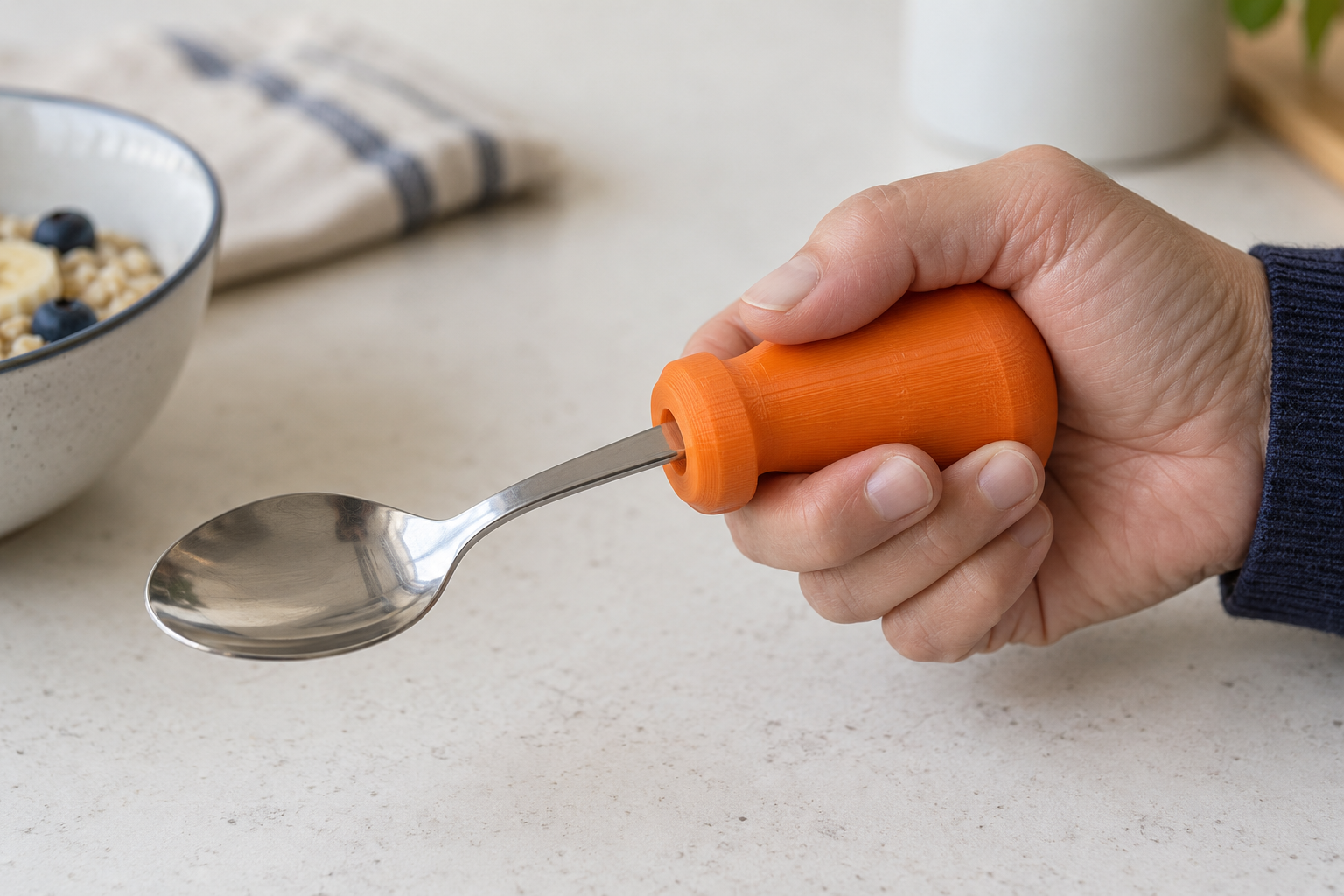
Solutions improving accessibility, independence, safety or usability for people with different physical, sensory, cognitive or neurodivergent needs.

Sustainable Product Design

Solutions reducing material, waste or energy, extending product life, supporting repair, reuse or recycling.
Everyday Engineering Solutions

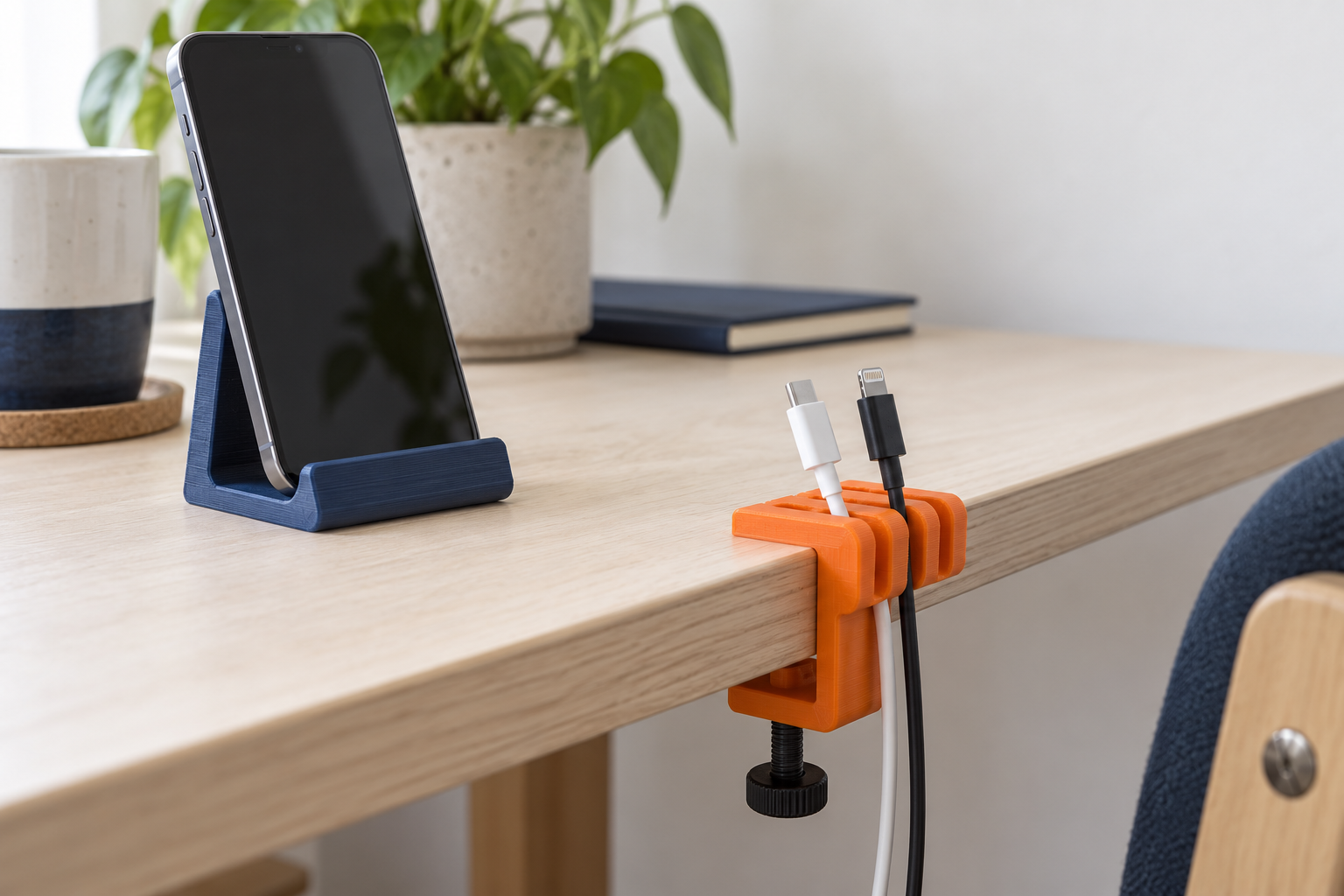
Practical designs improving comfort, ergonomics, safety, convenience, maintenance or usability.
Engineering and Smart Products

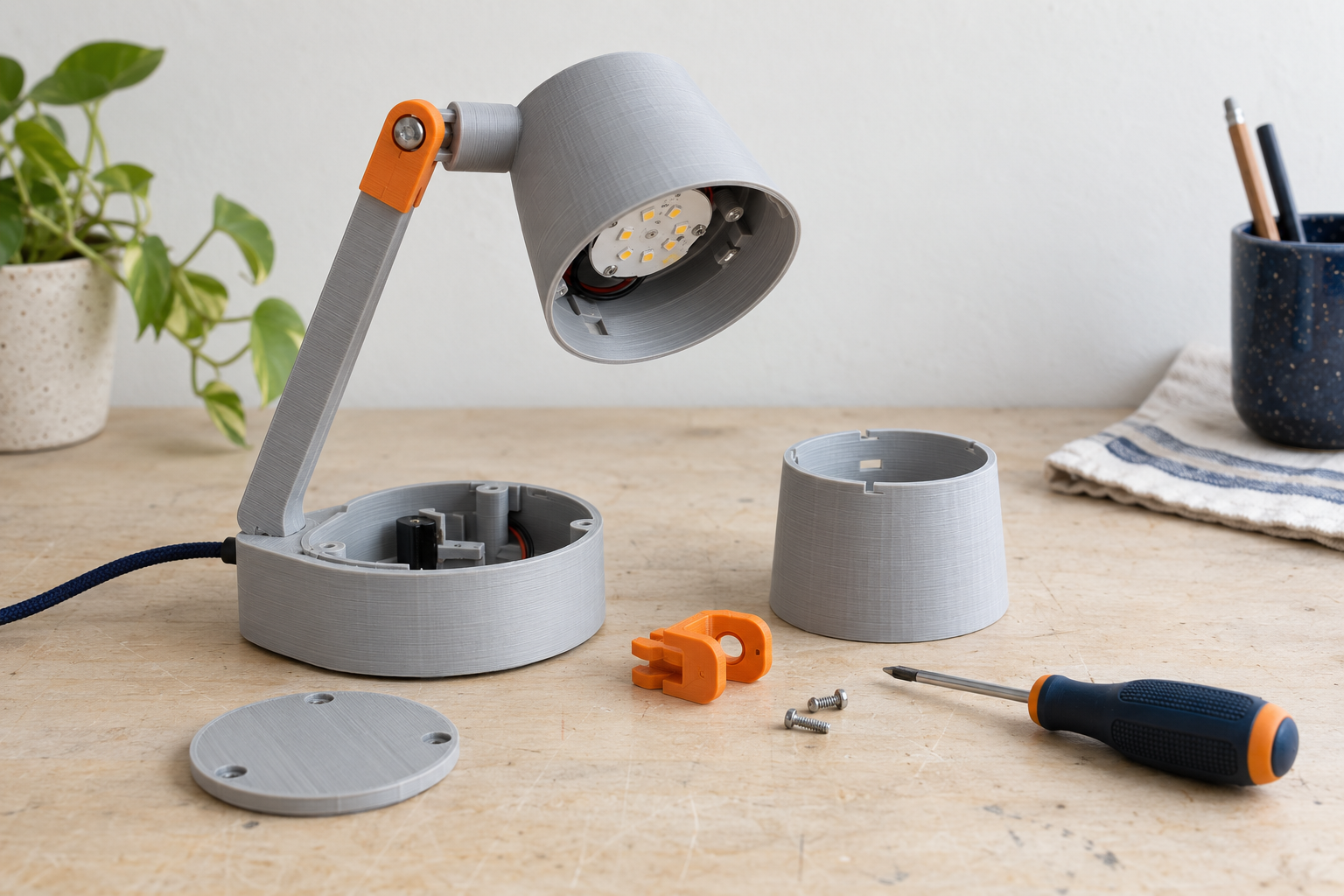
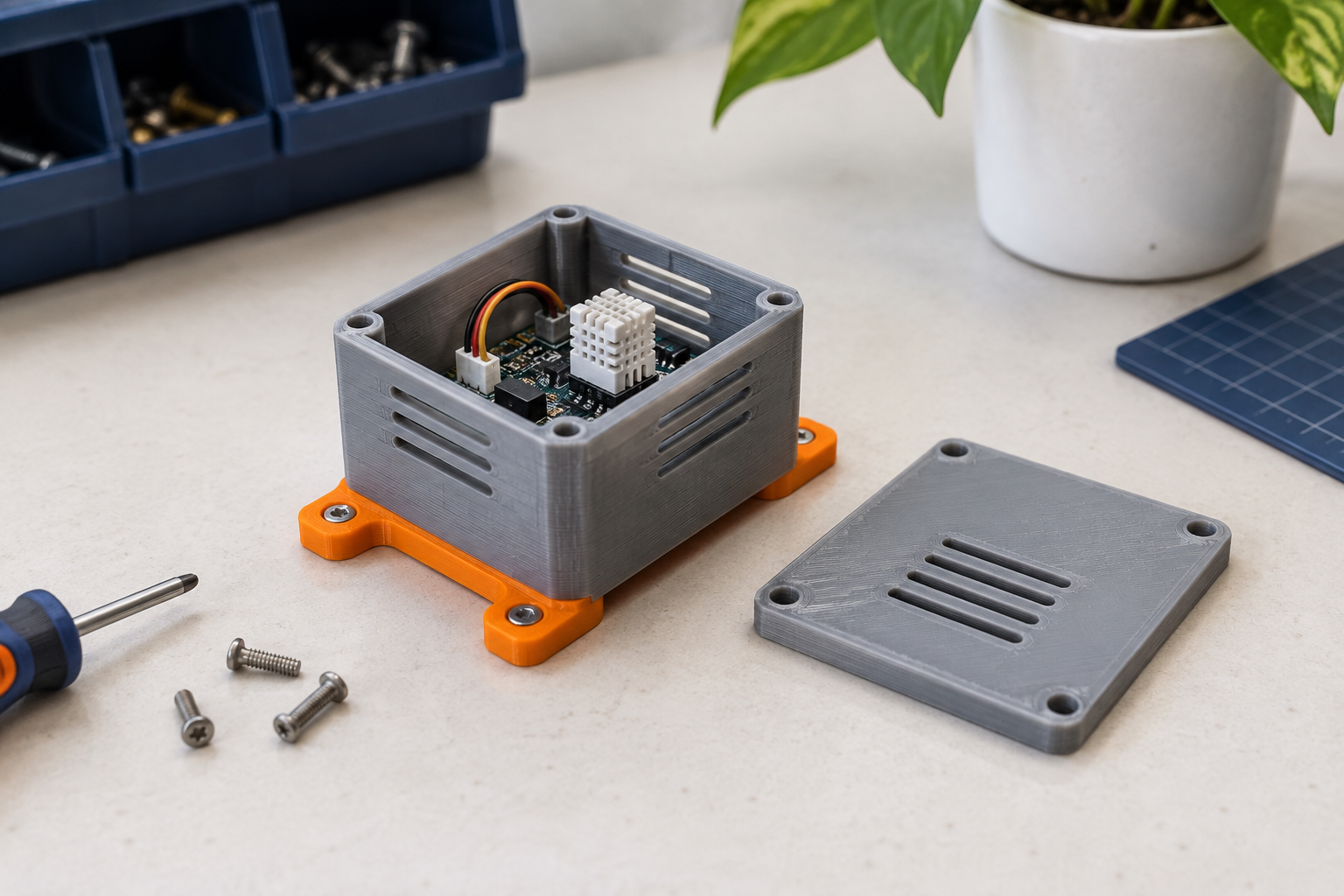
Mechanical, automotive, biomedical, civil, energy, electronic, manufacturing or consumer solutions combining printed parts with appropriate features.
Application Areas

  • Assistive and biomedical products
  • Household and consumer products
  • Education and learning
  • Workplace tools and equipment
  • Mechanical systems and manufacturing
  • Automotive and transportation
  • Energy and environmental engineering
  • Civil infrastructure and public spaces
  • Sport and recreation
  • Product repair and life extension
  • Safety, ergonomics and usability
  • Smart or connected products

Role of Additive Manufacturing

The main designed component must be manufactured using FDM 3D printing. Additive manufacturing must provide a meaningful advantage such as customisation, complex geometry, lightweight construction, reduced waste, rapid iteration, local manufacture, repairability or affordable low-volume production. Standard fasteners, bearings, springs, magnets, sensors and electronic components may be incorporated, but the printed component must remain essential to the function, manufacture or value of the solution.

Design and Prototype Requirements

  • Address a clearly defined and evidenced problem.
  • Provide a measurable improvement.
  • Include at least one essential FDM printed component.
  • Be manufactured as a functional physical prototype.
  • Be safe and suitable for its intended use.
  • Consider intended users and their capabilities.
  • Be practical on consumer-grade FDM printers.
  • Consider material, time, cost, durability, repair and end-of-life.
  • Be original work by the participating team.
A decorative model, CAD-only concept or non-functional visual prototype is not sufficient.

Testing and Evaluation

Every team must provide evidence of testing or evaluation. Suitable methods include functional or mechanical testing, dimensional inspection, usability assessment, stakeholder feedback, comparison with an existing product, engineering calculations, simulation, or measurement of material, time, cost or energy savings. Teams should describe the method, present the results honestly, identify limitations and explain improvements made after testing or feedback.

Sustainability Considerations

  • Material selection and quantity
  • Printing time and energy use
  • Support material and manufacturing waste
  • Durability and expected product life
  • Repairability and replaceable components
  • Reuse, recycling and disassembly
  • Avoiding replacement of a complete product
  • Comparison with the existing solution
A full life-cycle assessment is not required, but sustainability claims must be supported by reasonable evidence or calculations.

Expected Project Outcomes

Successful projects will connect a genuine need, clear user or stakeholder understanding, appropriate engineering design, effective additive manufacturing, a functional prototype, testing evidence, safety, sustainability and potential for wider adoption. The strongest entry is not necessarily the most complex. A simple, well-researched and effectively tested solution may outperform a complicated design without a demonstrated need.

Eligibility

The competition is open to undergraduate students currently enrolled at a participating institution. Students from any undergraduate year and from engineering, technology and product design disciplines are welcome. Multidisciplinary teams are encouraged where permitted by the institution. Teams must contain between 2 and 5 members. All members must be enrolled at the same participating institution. One member must be nominated as team lead and will receive competition updates and coordinate the submission. Participants may be asked to verify their student status, and the role and contribution of every member must be identified.

Originality and Academic Integrity

All submitted work must be developed by the participating team. Existing products, open-source designs and published work may be used for research or inspiration but must be acknowledged. Direct reproduction without substantial original development is not accepted. Use of artificial intelligence must be declared. Team members remain responsible for all decisions and must be able to explain their engineering work.

Fabrication and Material Requirements

A functional physical prototype is required and its main designed component must be manufactured using FDM. Standard fasteners, bearings, springs, magnets, sensors, electronic components and other commercial parts may be incorporated, but the printed component must remain essential. A decorative model, CAD concept, rendered image or non-functional visual prototype is not sufficient. PLA is recommended. PETG, ABS, ASA, TPU, composite or recycled filament may be used where selection is appropriate. Material choice should be justified through mechanical performance, flexibility, impact resistance, temperature or environmental exposure, safety, printability, cost, availability, durability and end-of-life impact.

Submission Requirements

Each team must submit a complete and clearly organised electronic entry before the published deadline. Files should be named using the team name, project title and participating institution. The entry must include:
  • A concise project overview, problem evidence and intended users or stakeholders.
  • User needs, engineering requirements, concepts considered, final design rationale, calculations and appropriate illustrations.
  • Justification for FDM, material selection, orientation, layer height, walls, infill, supports, tolerances, assembly, post-processing, time and material use.
  • STL files for original printed components, source CAD and STEP files where possible, technical drawings and assembly instructions where appropriate.
  • Printer, material and printing parameters.
  • Clear prototype photographs and a short functional demonstration video.
  • Testing method, results, limitations and improvements.
  • Safety, sustainability, durability, repairability, cost, replication and wider-use considerations.
  • Team members, contributions, course, year, contact details and mentor details where applicable.
  • A professional PDF report of no more than 10 pages, excluding cover, references and appendices, plus a presentation for finalist teams.
  • References and declarations covering external designs, datasets, CAD models and generative artificial intelligence.
Incomplete submissions, especially those missing CAD files, physical prototype evidence, testing results or the written report, may not be accepted.

Participation on Competition Day

The competition has local finals followed by a national final. Teams normally attend in person, arrive at least 30 minutes early, bring a safe functional prototype, deliver a 10-minute presentation and complete a 10-minute question and answer session. If a live demonstration is not safe or practical, a recorded demonstration must be provided. All members are expected to contribute to the presentation or questions. The three highest-scoring eligible teams from each local final progress to the national final. Local scores are not normally carried forward. Finalists may improve their prototype, testing, report and presentation, but the core concept must remain substantially unchanged and major developments must be explained. Teams must follow the timetable, act professionally, ensure safe demonstrations, protect confidential and personal information, obtain consent before recording others, and remove their equipment after the event.

Scoring Guidance

Judges assess the complete engineering process rather than product complexity alone. Expensive materials, complex electronics or advanced equipment receive no additional credit unless they provide a clear functional benefit. Each project receives a weighted score out of 100. For tied overall scores, priority is given first to Technical Design and Validation and then to Problem Definition and Supporting Evidence.
For inspiration only

Example projects

These are illustrative examples, not prescribed topics. Teams should identify genuine problems and develop original solutions.
01

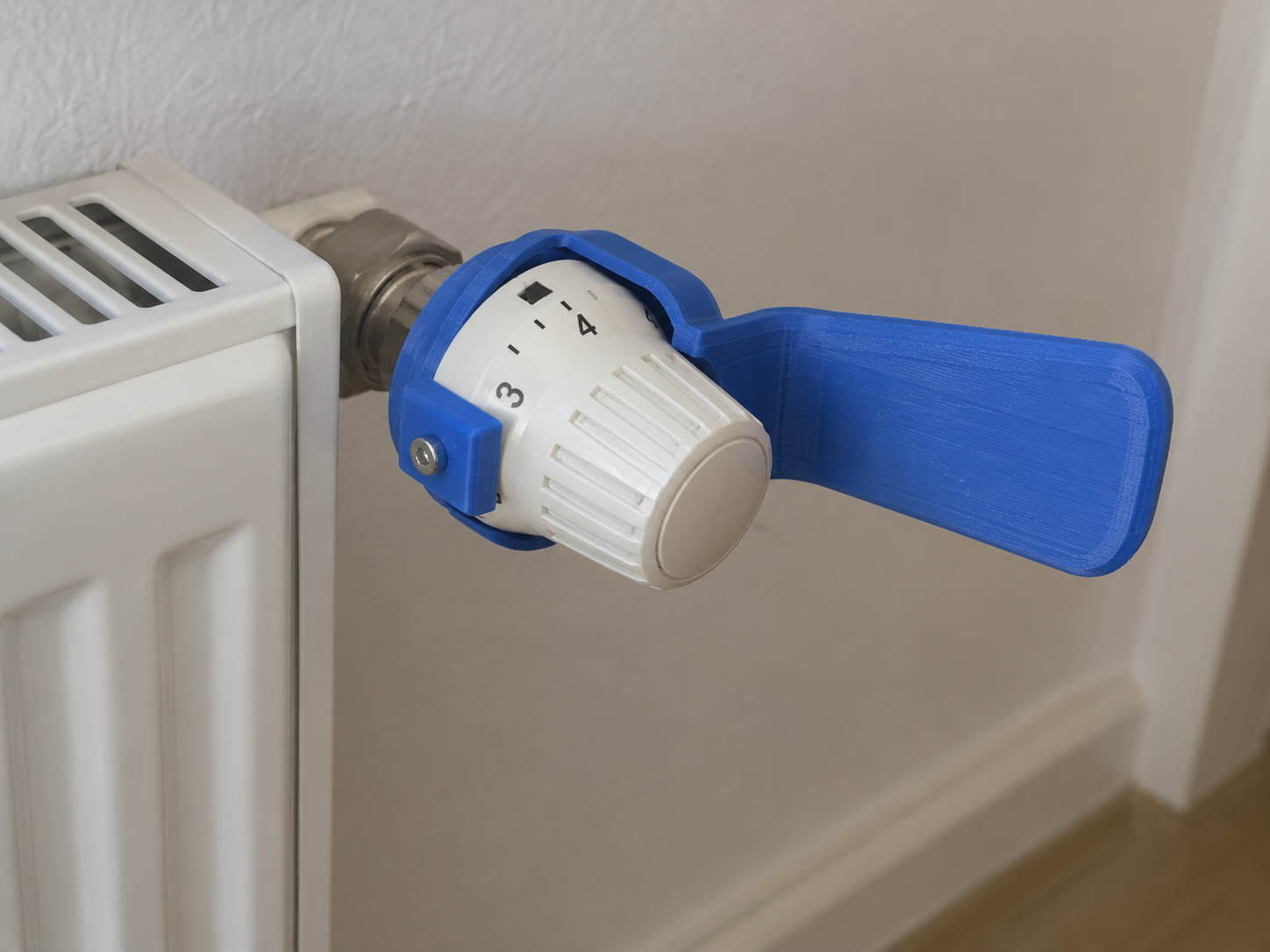
A clip-on ergonomic extension that makes a household control easier to operate for users with reduced grip strength
02

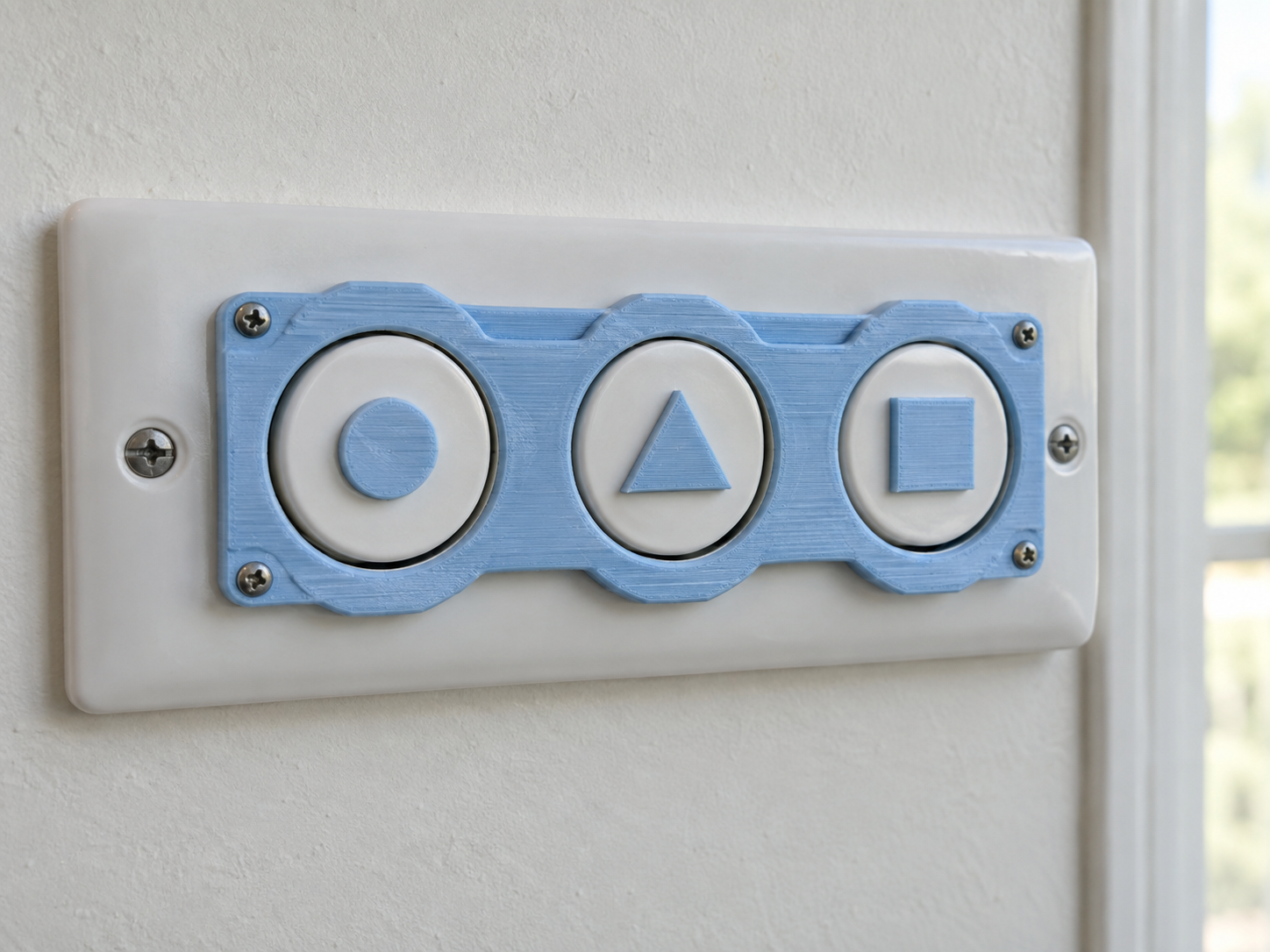
A tactile interface that improves the usability of a public or domestic product for users with visual impairments
03

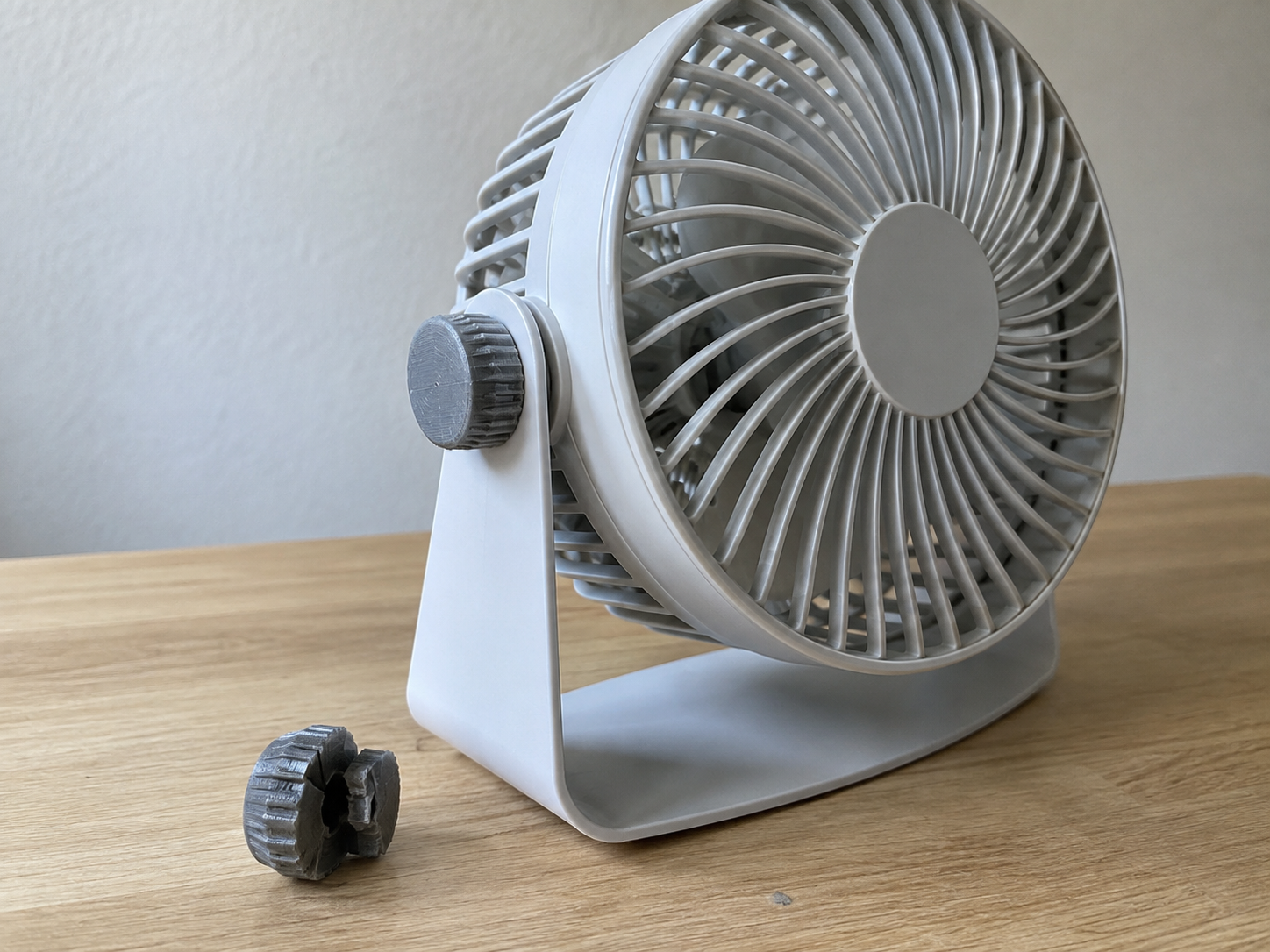
A replacement component that repairs an appliance and prevents the complete product from being discarded
04

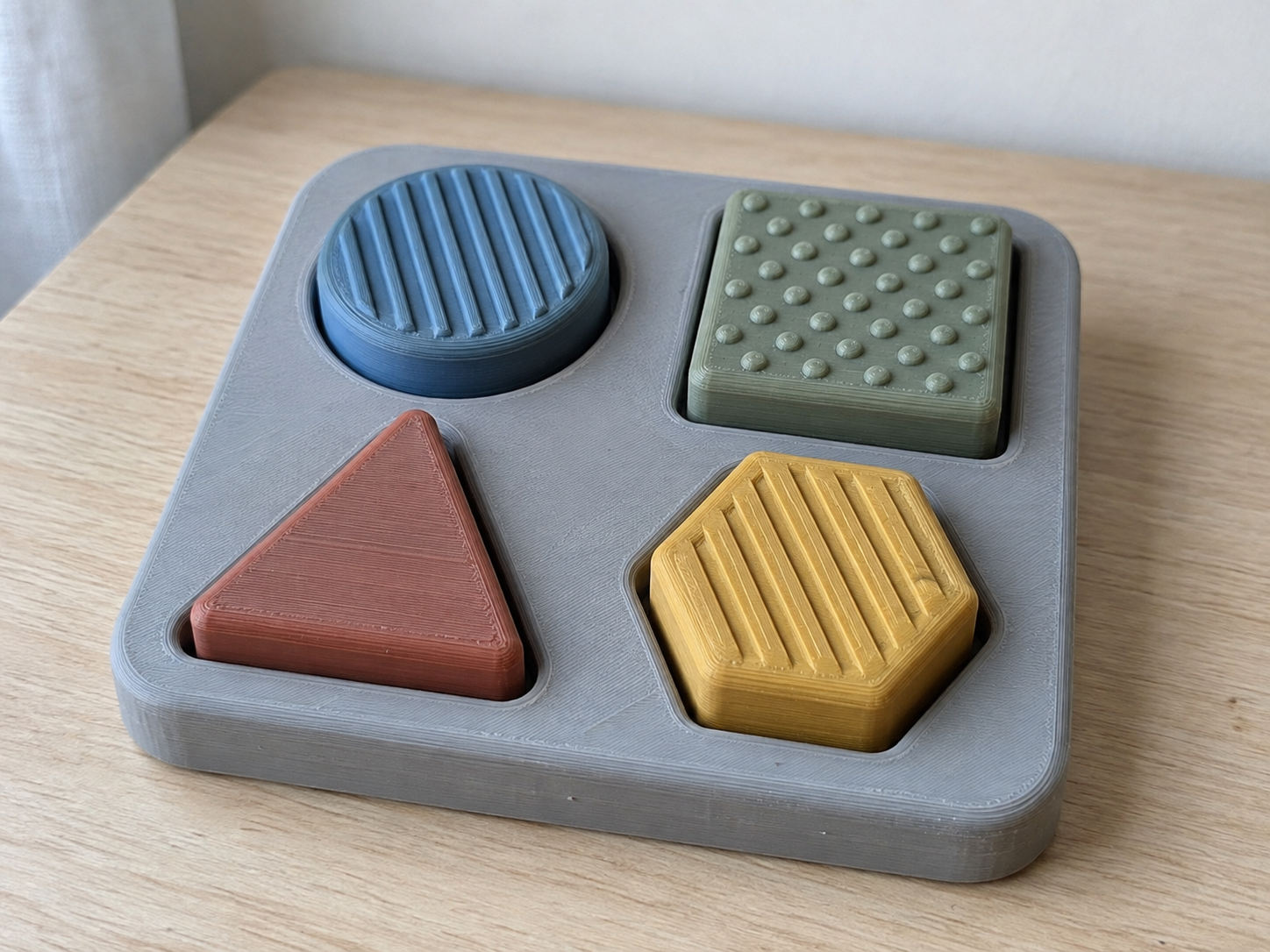
A modular learning aid adaptable for children with different sensory or cognitive needs
05

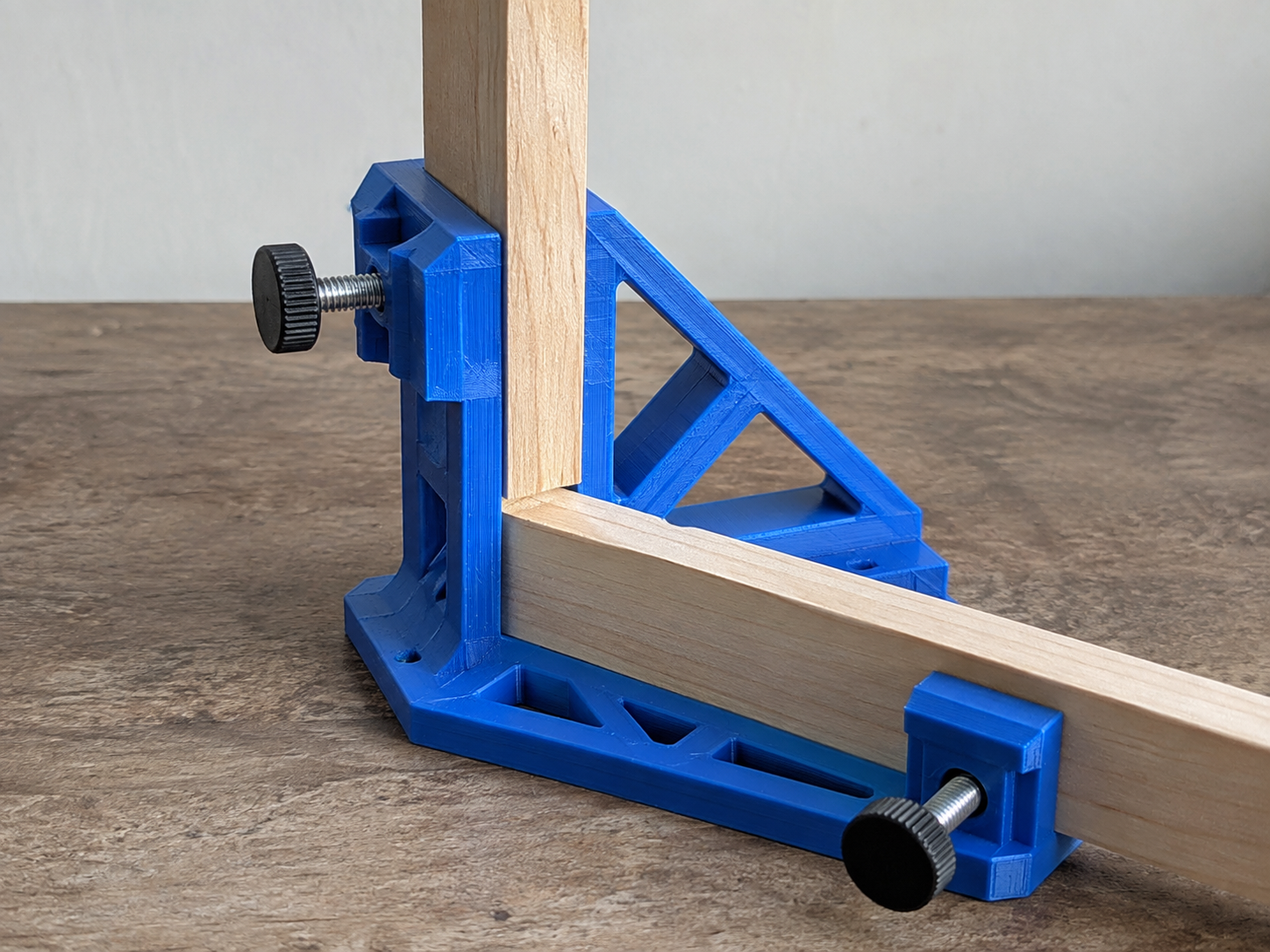
A lightweight tool or fixture that reduces material use while maintaining required strength
06

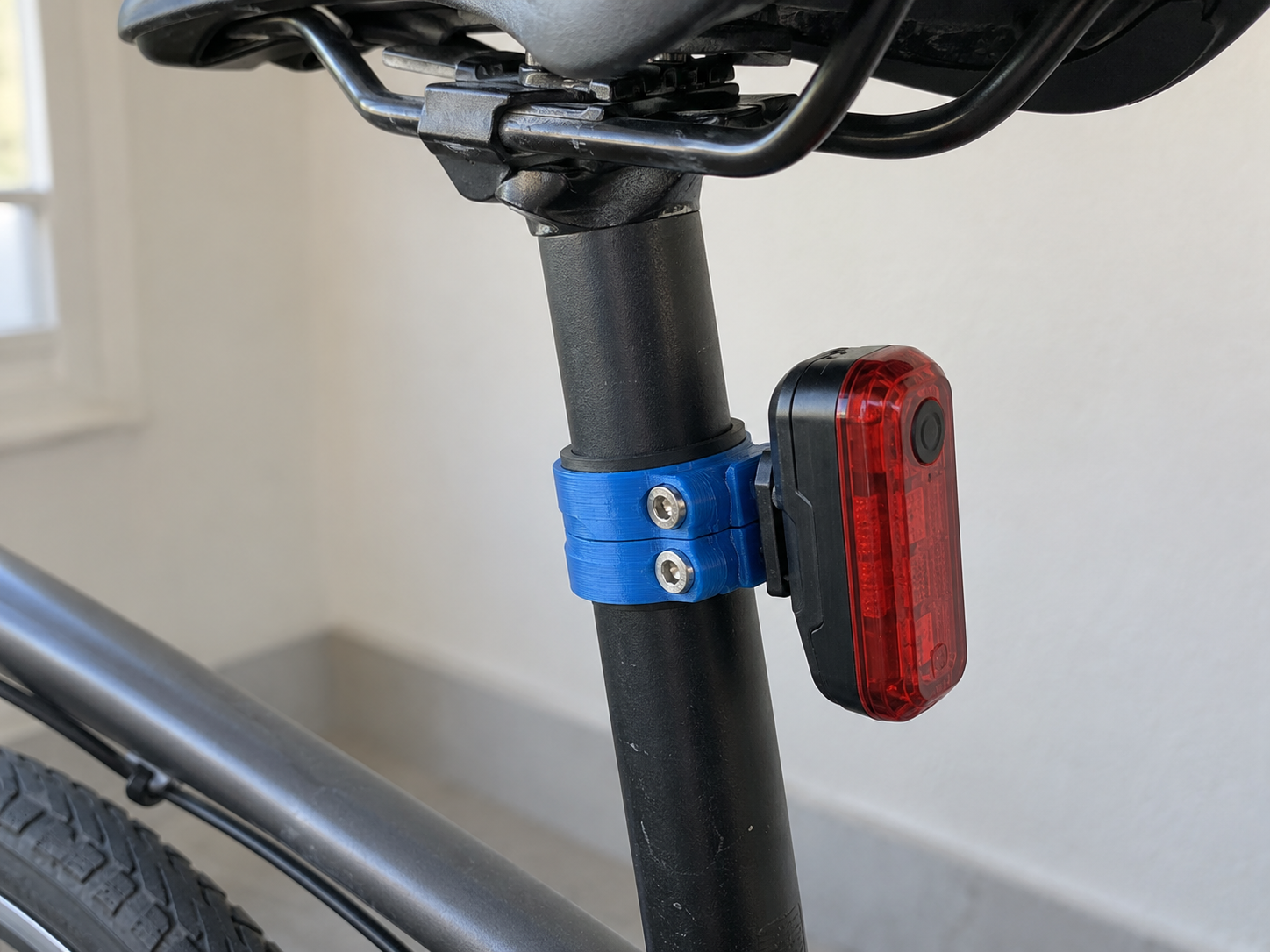
A redesigned bicycle, vehicle or mobility component that improves safety or usability
07

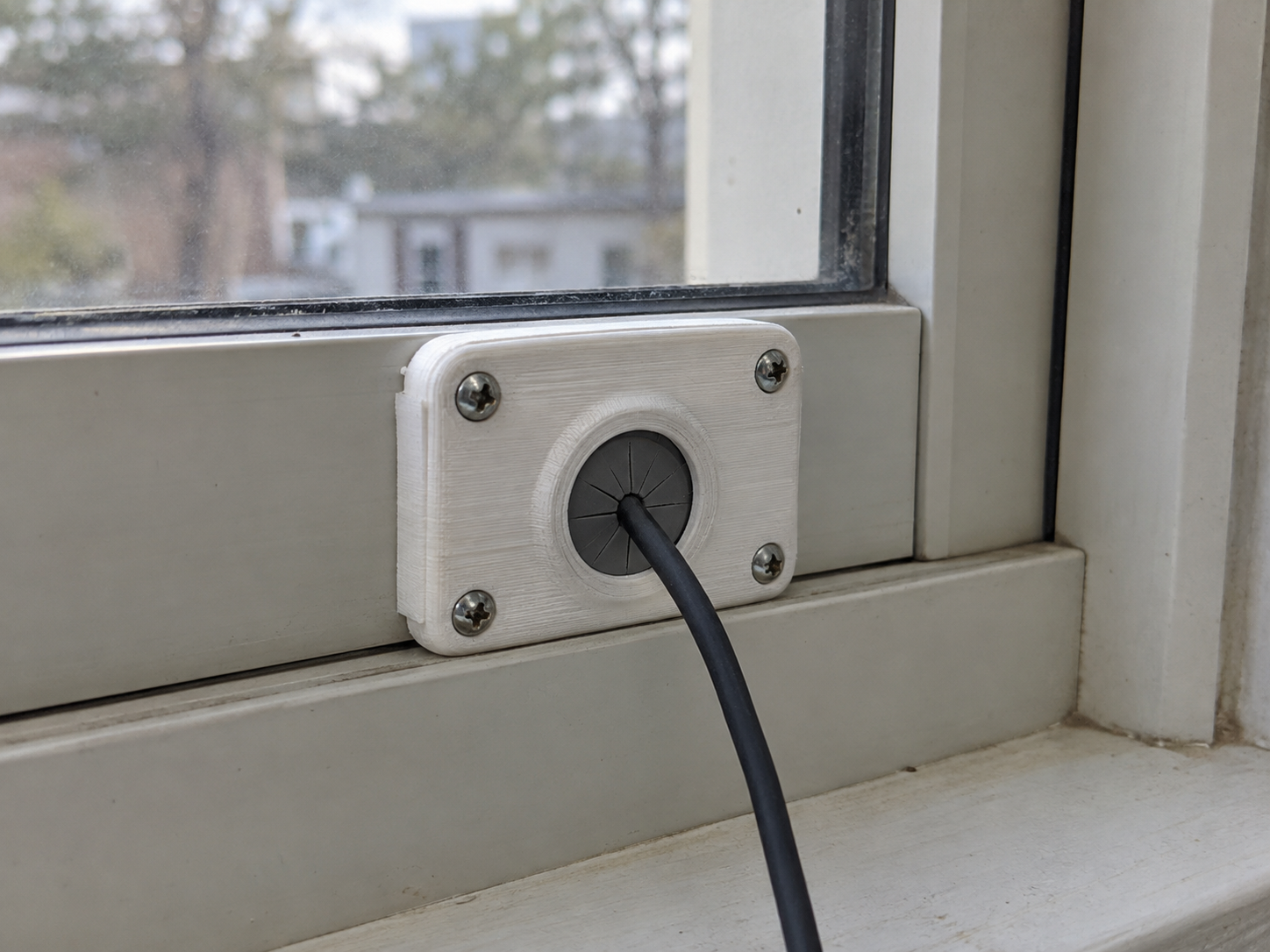
A low-cost device that reduces energy use or improves environmental performance
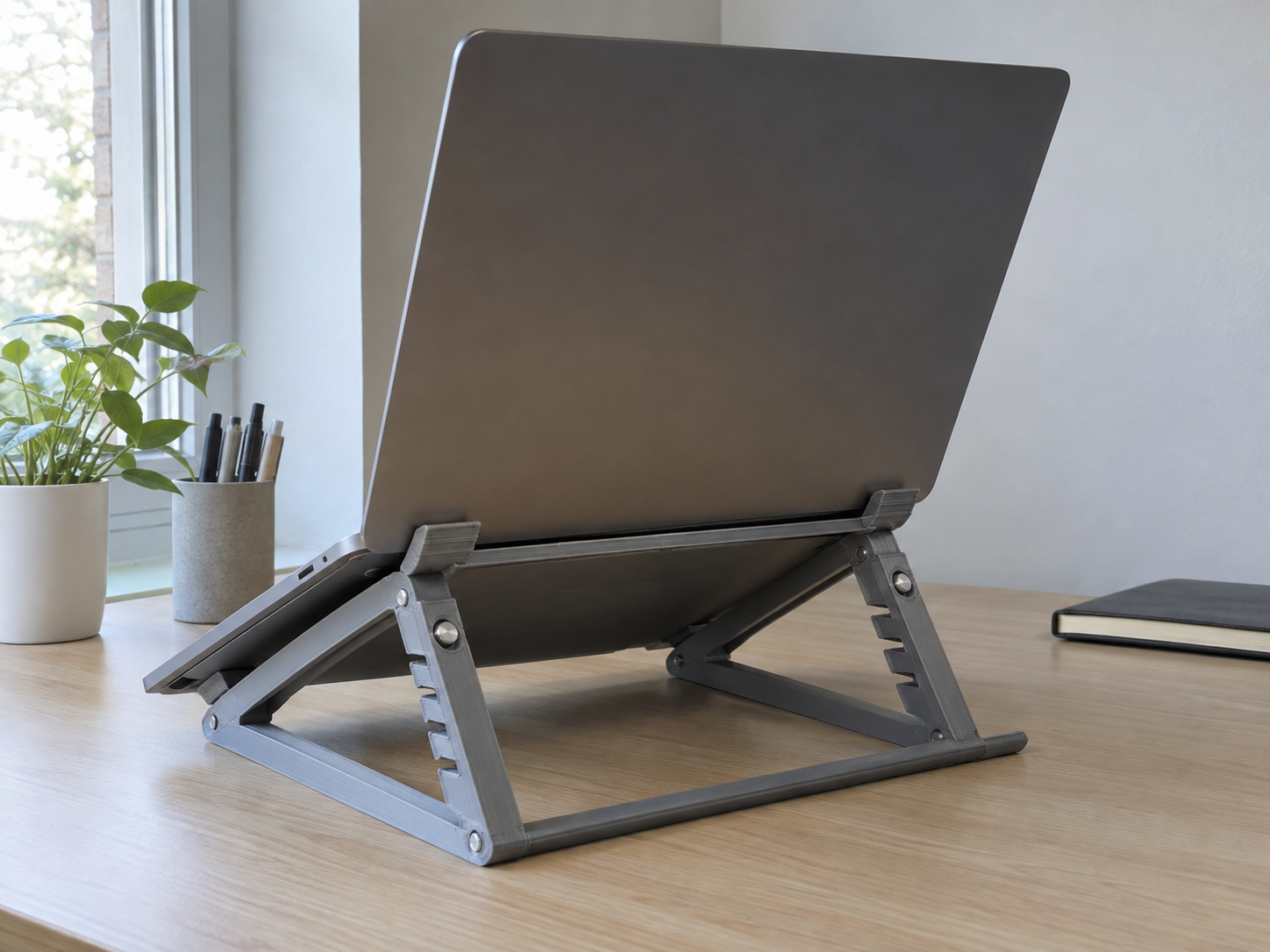
08

A customisable workplace product that improves posture, comfort or ergonomics
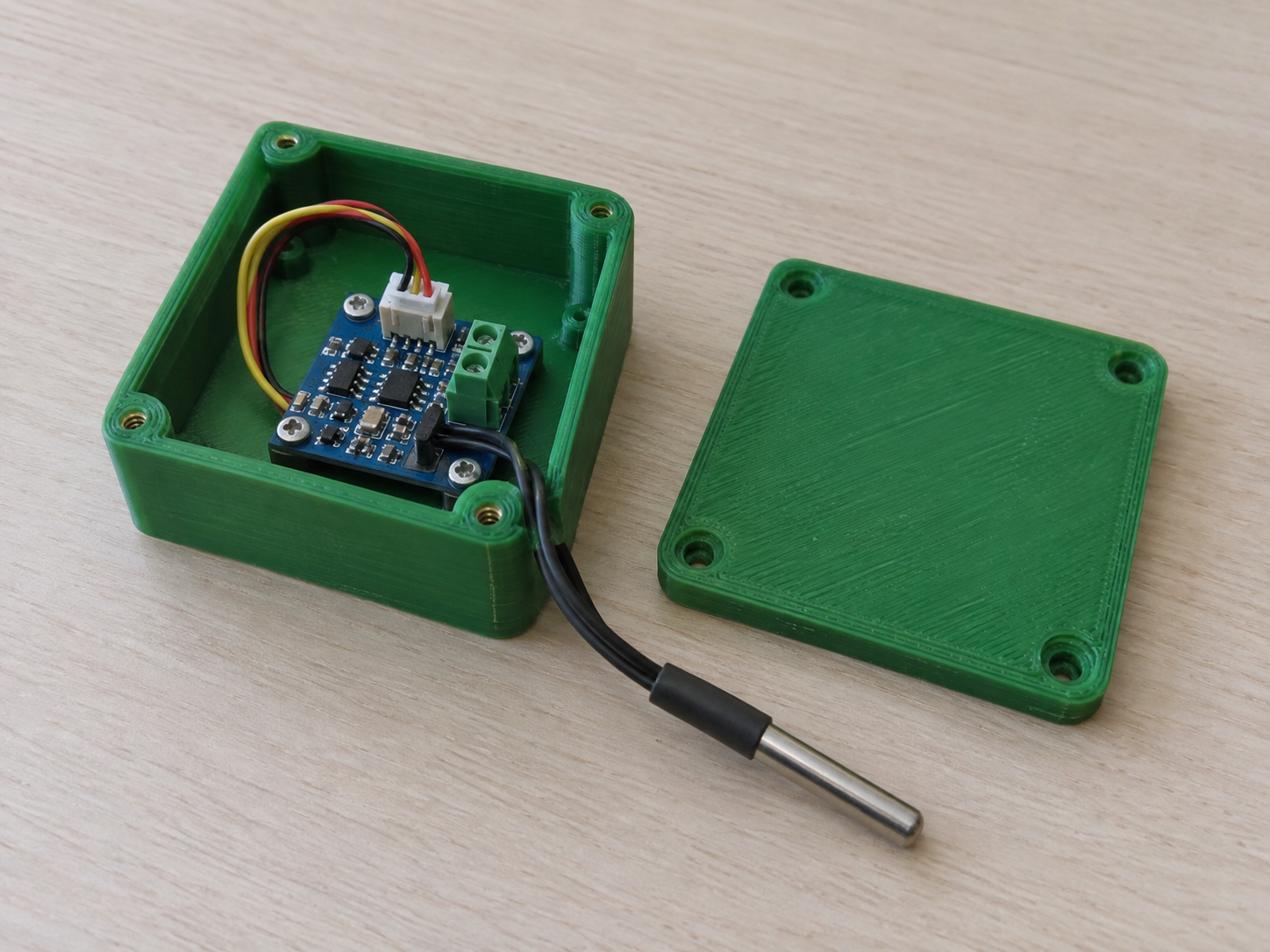
09

A 3D printed product incorporating a simple sensor, indicator or mechanical feature
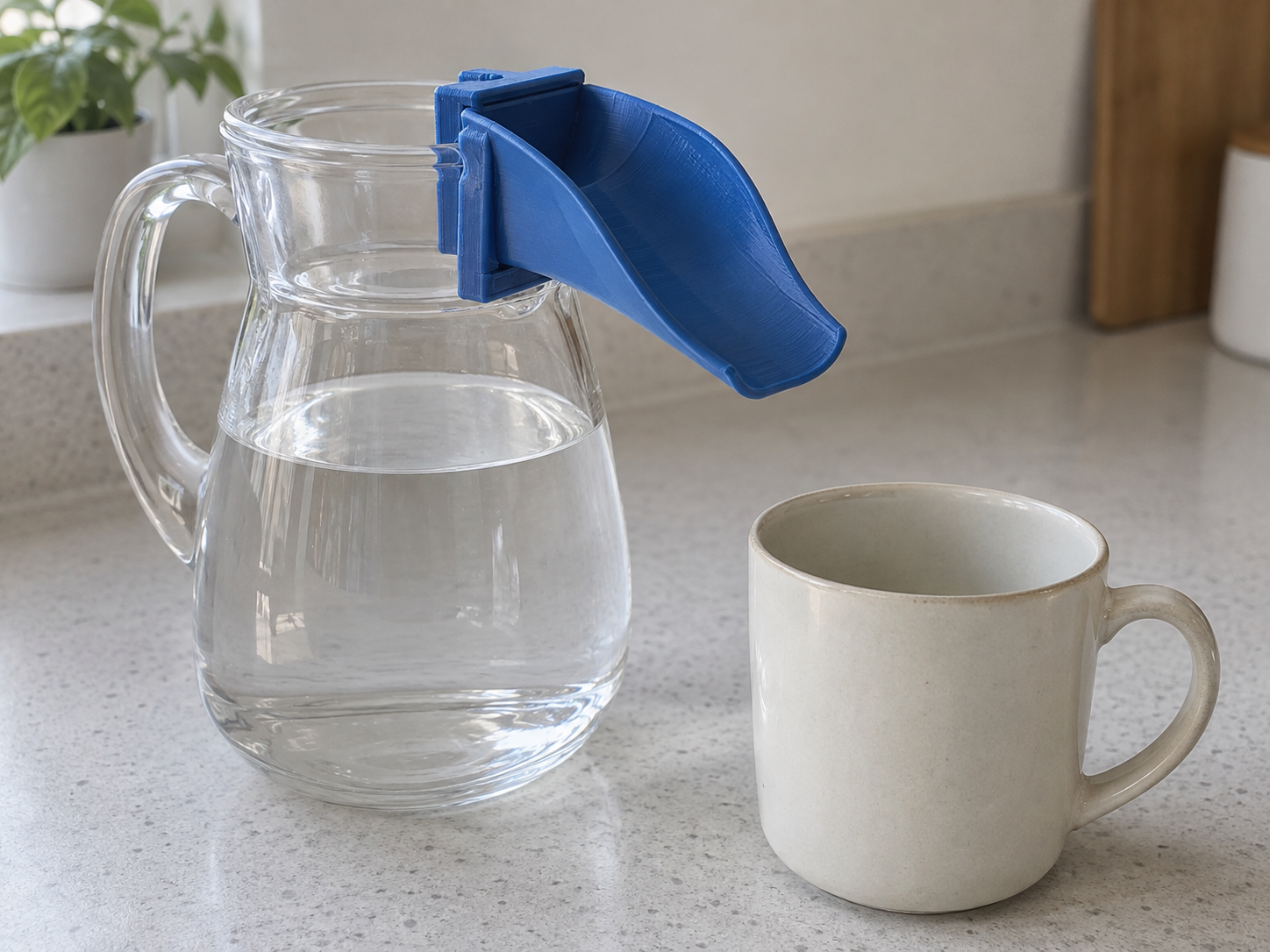
10

A household or consumer product solving a common everyday problem

Judging Criteria

CriterionWeightAssessment focus
Problem Definition and Supporting Evidence15%Genuine problem, users or stakeholders, quality of research and measurable requirements.
Inclusive and User-Centred Design15%User needs, accessibility, usability, safety, comfort, independence and inclusive design principles.
Technical Design and Validation15%Prototype functionality, engineering decisions, testing, requirements and limitations.
Additive Manufacturing Design15%Justified FDM use, material, parameters, orientation, tolerances, supports, assembly and replication.
Sustainability and Environmental Impact15%Material, waste, energy, durability, repair, reuse, recycling and evidence for claims.
Innovation and Creativity15%Originality, effectiveness, creative additive manufacturing and development potential.
Feasibility and Wider Potential5%Practicality, safety, cost, availability, scaling, adoption, commercialisation and intellectual property.
Communication and Presentation5%Clarity, structure, visual evidence, demonstration and answers to questions.
Recognition

Prizes

National Final

First Prize£1,000Cash award and certificate
Second Prize£700Cash award and certificate
Third Prize£400Cash award and certificate

Local Final

First Prize£150At each local final, cash award and certificate
Second Prize£100At each local final, cash award and certificate
Third Prize£50At each local final, cash award and certificate